The 1937 Lincoln Zephyr Specs include 4.4L V12, 3-speed manual engine, rear-wheel drive system, and reliable fuel economy. This guide covers engine performance, MPG, price, and key features of the 1937 Zephyr.
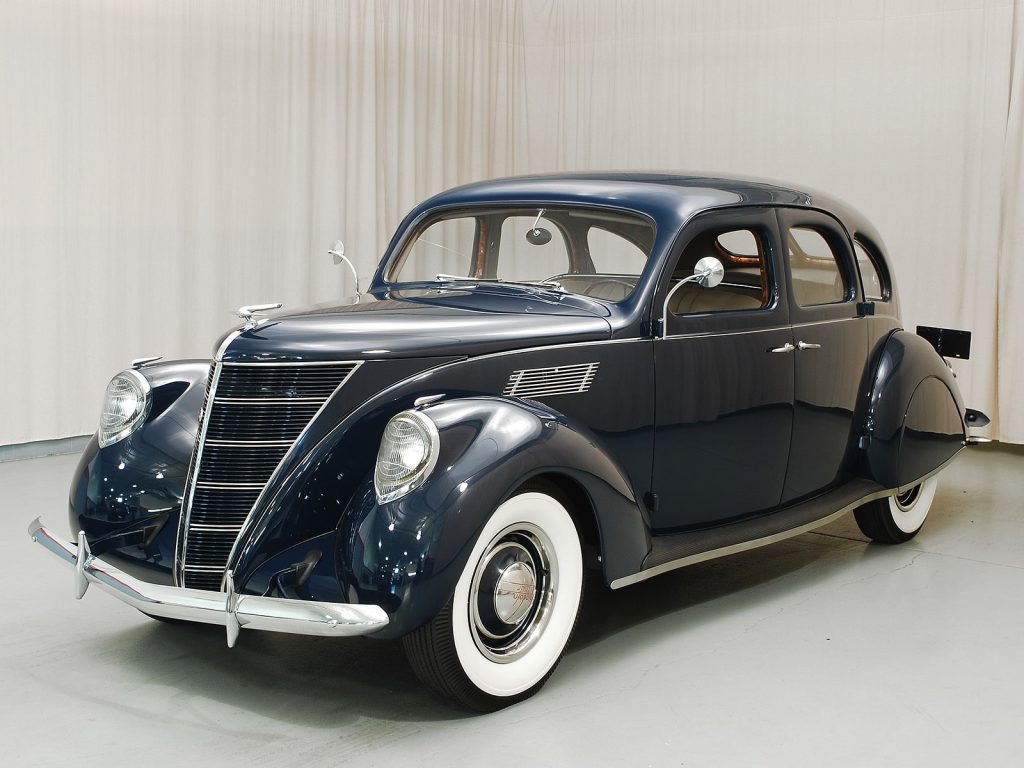
The 1937 Lincoln Zephyr, an iconic American car, marked a significant milestone in automotive design with its streamlined Art Deco styling and innovative engineering. Positioned as a mid-luxury vehicle, the Zephyr was intended to bridge the gap between Ford’s more affordable models and Lincoln’s premium offerings. Its aerodynamic design and pioneering V12 engine made it one of the most advanced cars of its time. (wiki)
Engine Specs and Features
| Feature | Details |
|---|---|
| Engine Type | 4.4L V12 |
| Horsepower | 110 hp @ 3,900 RPM |
| Torque | 180 lb-ft @ 2,000 RPM |
| Compression Ratio | 6.8:1 |
| Fuel System | Stromberg dual-barrel carburetor |
| Cooling System | Water-cooled |
| Transmission | 3-speed manual |
| Drive Type | Rear-wheel drive (RWD) |
Fuel & MPG
| Feature | Details |
|---|---|
| Fuel Type | Gasoline |
| Fuel Tank Capacity | 20 gallons |
| City MPG | Approximately 12-15 mpg |
| Highway MPG | Approximately 15-18 mpg |
Dimensions
| Feature | Details |
|---|---|
| Length | 210 inches |
| Width | 75 inches |
| Height | 64 inches |
| Wheelbase | 122 inches |
| Curb Weight | 3,500 pounds |
| Ground Clearance | 7 inches |
Safety Features
| Feature | Details |
|---|---|
| Brakes | Hydraulic drum brakes |
| Seat Belts | None (not standard in 1937) |
| Frame | Sturdy ladder-type steel frame |
| Lighting | Sealed-beam headlights with Art Deco styling |
| Additional Features | Safety glass in the windshield and windows |
Interior Features
| Feature | Details |
|---|---|
| Seating Capacity | 5 passengers |
| Upholstery | Wool or broadcloth with Art Deco patterns |
| Dashboard | Art Deco design with chrome accents |
| Entertainment System | AM radio (optional) |
| Climate Control | Fresh air ventilation system |
| Storage | Spacious trunk with integrated spare tire |
| Steering Wheel | Large and elegantly designed |
| Interior Trim | Woodgrain details and polished metal |
Exterior Features
| Feature | Details |
|---|---|
| Body Style | Streamlined fastback sedan or coupe |
| Headlights | Integrated into the fenders |
| Wheels | 16-inch steel wheels with wide whitewall tires |
| Paint Options | Rich solid colors with high-gloss enamel |
| Grille | Vertical chrome waterfall grille |
| Windows | Fixed or crank-operated side windows |
| Bumpers | Chrome-plated with integrated guards |
| Design | Aerodynamic teardrop shape |
1937 Lincoln Zephyr Current Price in U.S.
| Condition | Price Range |
|---|---|
| Excellent (Restored) | $80,000 – $150,000 |
| Good (Well-maintained) | $50,000 – $80,000 |
| Fair (Functional but Worn) | $30,000 – $50,000 |
| Poor (Needs Restoration) | $15,000 – $30,000 |
The 1937 Lincoln Zephyr was a revolutionary car that introduced aerodynamic styling to the luxury segment, influencing automotive design for decades. Its powerful V12 engine, luxurious interior, and elegant design made it a standout vehicle of the 1930s. Today, the Zephyr is a prized collector’s car, cherished for its historical significance and timeless appeal.
1937 Lincoln Zephyr: The Car That Revolutionized American Automotive Design
The 1937 Lincoln Zephyr didn’t just turn heads; it redefined American car design during a pivotal moment in history. With its sleek lines, aerodynamic form, and powerful V12 engine, this iconic vehicle transcended mere transportation to become a symbol of progress and a benchmark for future automotive aesthetics. Let’s delve into why the 1937 Lincoln Zephyr remains a landmark in design nearly 90 years later.
The Great Depression & Lincoln’s Crossroads
To truly grasp the Zephyr’s impact, consider the economic backdrop of the 1930s. The Great Depression had crippled the American economy, hitting luxury automakers particularly hard. Brands like Packard and Pierce-Arrow struggled, and even Lincoln, Ford’s premium division, faced an existential threat.
Edsel Ford, visionary son of Henry Ford, recognized the need for change. He envisioned a car that bridged the gap between Ford’s utilitarian offerings and Lincoln’s high-end models – a stylish, powerful, yet accessible luxury car for the emerging middle class. This daring vision set the stage for the Zephyr’s revolutionary design.
A New Era of Design: Streamlining and Aerodynamics
The 1937 Lincoln Zephyr was a radical departure from the boxy designs prevalent at the time. Influenced by the principles of aerodynamics gaining traction in aviation and trains, Dutch-born designer John Tjaarda (working for Briggs Manufacturing) crafted a car that appeared to be in motion even when stationary.
Key Design Innovations of the 1937 Zephyr:
- Teardrop Shape: Unlike its contemporaries, the Zephyr boasted a smooth, flowing body with rounded edges and an integrated trunk, significantly improving its aerodynamic efficiency.
- Integrated Fenders: The fenders seamlessly flowed into the car’s body, creating a unified and visually striking appearance, a stark contrast to the separate, bolt-on fenders common in that era.
- Waterfall Grille: The distinctive vertical grille, evocative of cascading water, became an iconic signature element that would influence Lincoln’s design language for decades to come.
- All-Steel Unibody Construction: The Zephyr featured an innovative all-steel unibody construction, enhancing both rigidity and safety.
These design choices were more than just aesthetic; they improved performance, reduced drag, and laid the groundwork for the sleek automotive designs of the 1940s and 1950s.
V12 Performance for the Masses
Beyond its captivating exterior, the 1937 Zephyr delivered impressive performance. Lincoln equipped it with a 267 cubic inch (4.4L) flathead V12 engine, producing a respectable 110 horsepower. This smooth, quiet, and refined V12 offered a luxurious driving experience without the exorbitant price tag of traditional luxury vehicles.
At a time when most Americans drove 4- or 6-cylinder cars, the Zephyr’s V12 gave it a significant performance edge, truly embodying “luxury within reach.”
Accessible Luxury: Bridging the Market Gap
The Zephyr was strategically positioned to fill a crucial gap in the automotive market. Priced at approximately $1,200, it was more expensive than a standard Ford but far more affordable than a traditional Lincoln K series. This accessible luxury model proved instrumental in Lincoln’s survival during the challenging Depression era.
The Zephyr’s success established a new market segment, laying the blueprint for what we now recognize as entry-level luxury, a concept later adopted by brands like Buick, Chrysler, and Lexus.
Cultural Impact & Enduring Legacy
The 1937 Lincoln Zephyr transcended its role as a mere automobile; it became a powerful symbol of American progress and modernity. Its futuristic design graced movies, magazine advertisements, and even garnered recognition from the Museum of Modern Art for its design significance. Enthusiasts today often refer to the Zephyr as a “rolling sculpture.”
The Zephyr’s influence on American car design is undeniable:
- The Rise of Streamlining: The Zephyr’s triumph solidified streamlining as the dominant design trend, succeeding where earlier attempts like the Chrysler Airflow had faltered.
- Integrated Design Language: It ushered in an era of holistic car body design, moving away from fragmented, bolt-on components towards unified and elegant forms.
- Blueprint for Accessible Luxury: The Zephyr created the foundation for an entirely new market segment, proving that luxury could be attainable.
- Redefining Lincoln’s Identity: It reshaped Lincoln’s brand identity, establishing it as a design-forward and innovative marque – an ethos that continues to inspire Lincoln’s vehicles today.
1937 Lincoln Zephyr – FAQs
What engine does the 1937 Lincoln Zephyr have?
The 1937 Lincoln Zephyr is powered by a:
4.4L (267 cu in) V12 engine
Producing around 110 horsepower
This smooth V12 was one of the car’s most unique features.
What body styles were available in 1937?
The 1937 Zephyr was offered in:
4-door sedan
2-door coupe
Convertible (limited production)
What is the current market price of a 1937 Lincoln Zephyr?
Typical values today (U.S.):
Project cars: $20,000 – $40,000
Good condition: $40,000 – $80,000
Fully restored: $90,000 – $150,000+
Rare models can exceed this range.
View Also 1965 Ford Mustang Specs