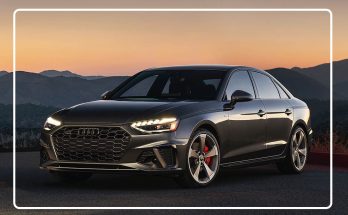

The Audi 100, first introduced in 1968, marked Audi’s entry into the executive car segment and helped reestablish the brand under Volkswagen’s ownership. Designed by Ludwig Kraus, the Audi 100 was a front-wheel-drive sedan that combined elegant styling, advanced engineering, and solid performance. Its success established Audi as a key player in the mid-size luxury market.(Wiki)
The Genesis: Audi 100 C1 (1968–1976)
Born from a clandestine project by engineer Ludwig Kraus, the Audi 100 C1 was unveiled in 1968, marking Audi’s significant entry into the executive car segment. At a time when front-wheel drive was rare for this class, the C1 boldly embraced it, proving its viability against traditional rear-wheel-drive rivals. Its lightweight unibody construction and clean, boxy styling hinted at the sophisticated engineering that would become Audi’s hallmark. This initial success was crucial, establishing Audi’s focus on engineering sophistication rather than raw power.
Stepping Up: Audi 100 C2 (1976–1982)
The second-generation Audi 100, the C2, launched in 1976, brought a more refined aesthetic with sharper lines and a sleeker silhouette. Beyond cosmetics, it significantly enhanced body rigidity and crash safety. A major leap forward was the introduction of fuel-injected engines and, notably, an optional 5-cylinder engine. This distinctive engine layout would later become synonymous with Audi performance, famously powering the legendary Audi Quattro and the RS2 Avant. The C2 demonstrated Audi’s commitment to both innovation and performance.
Aerodynamic Revolution: Audi 100 C3 (1982–1991)
The Audi 100 C3, introduced in 1982, was a true game-changer, setting new benchmarks in automotive design with its unprecedented aerodynamic efficiency. Achieving an astonishing drag coefficient (Cd) of 0.30, it was the most aerodynamically efficient production car of its time. Features like flush window glass and soft corners optimized airflow, contributing to enhanced fuel efficiency. This generation also saw the introduction of the Quattro all-wheel-drive system, further solidifying Audi’s reputation for advanced engineering.
For U.S. buyers, the C3 was known as the Audi 5000. Despite its technical brilliance, the “unintended acceleration” controversy unfortunately impacted its reputation in the American market. However, its innovative design remains a significant milestone in automotive history.
The Pinnacle of Refinement: Audi 100 C4 (1991–1994)
The final iteration of the Audi 100, the C4, debuted in 1991, showcasing Audi’s readiness to compete directly with Mercedes-Benz and BMW in the luxury segment. The C4 boasted a modern, muscular design with smoother curves and offered V6 engines, including a potent 2.8L 174 hp variant. Advanced features such as dual airbags, ABS, and improved noise insulation highlighted Audi’s commitment to safety, comfort, and luxury. The C4 was the culmination of Audi’s learning, offering a refined driving experience combined with signature German practicality.
From 100 to A6: A New Era
In 1994, the Audi 100 name was retired, making way for the new Audi A6 nomenclature. This rebranding wasn’t merely cosmetic; it signaled Audi’s definitive shift into the premium market. The foundation laid by the Audi 100, with its blend of engineering prowess and understated luxury, proved instrumental in this successful transition.
The Audi 100’s Lasting U.S. Legacy
In the United States, the Audi 100 carved out a unique identity, offering a distinct European driving experience with both front-wheel and all-wheel drive options. It appealed to those who appreciated understated luxury and solid reliability. Today, as interest in classic and retro cars grows, the Audi 100, particularly the C3 and C4 models, is gaining recognition among collectors and enthusiasts for its historical significance and engineering innovation.The Audi 100’s importance cannot be overstated. It introduced numerous “firsts” for Audi, including groundbreaking aerodynamic designs, the iconic 5-cylinder engines, and the integration of AWD into an executive car. It was crucial in differentiating Audi from Volkswagen and establishing its own unique identity, paving the way for Audi’s modern design philosophy and its current lineup of tech-savvy, high-performance vehicles.
Considering an Audi 100 Today?
For enthusiasts looking to acquire or restore an Audi 100, here are some practical tips:
Check for rust, especially in earlier C1 and C2 models.Seek out a mechanic familiar with older Audi systems.Prioritize C3 and C4 models for better parts availability.Engage with online forums and classic Audi clubs for invaluable support and resources.Strive to preserve originality, as untouched examples are increasingly rare and valuable.
A Quiet Icon with Profound Impact
The Audi 100 may not always be the first name that comes to mind in discussions of automotive legends, but its contribution to the evolution of the modern automobile is undeniable. It embodies the spirit of quiet innovation, a core principle that continues to drive Audi’s success. For those who value engineering excellence and understated sophistication, the Audi 100 stands as a testament to a brand that dared to forge its own path, even when the world wasn’t watching.
Engine Specs and Features
| Feature | Details |
|---|---|
| Engine Options | Inline-4 and Inline-5 engines (1.6L, 1.8L, 1.9L, 2.0L) |
| Horsepower | 80–115 hp (depending on engine and model year) |
| Torque | ~100–125 lb-ft |
| Fuel System | Carburetor; later models offered fuel injection |
| Transmission Options | 4-speed manual, 3-speed automatic |
| Drive Type | Front-wheel drive (FWD) |
| Top Speed | ~99–112 mph (depending on engine) |
| 0-60 mph | ~11–14 seconds |
Dimensions
| Feature | Details |
|---|---|
| Length | ~178–182 inches |
| Width | ~67 inches |
| Height | ~55 inches |
| Wheelbase | ~104 inches |
| Curb Weight | ~2,400–2,800 pounds |
Fuel and MPG
| Feature | Details |
|---|---|
| Fuel Type | Gasoline |
| Fuel Tank Capacity | ~12 gallons |
| City MPG | ~20–22 mpg |
| Highway MPG | ~25–28 mpg |
Safety Features
| Feature | Details |
|---|---|
| Brakes | Front disc brakes, rear drum brakes |
| Seat Belts | Lap belts; 3-point belts in later models |
| Body Construction | Lightweight unibody |
| Lighting | Sealed-beam headlights |
| Crash Protection | Reinforced structure with basic crumple zones |
Audi 100 Interior Features
| Feature | Details |
|---|---|
| Seating Capacity | 5 passengers |
| Upholstery | Vinyl or cloth options |
| Dashboard | Functional layout with analog gauges |
| Entertainment System | AM/FM radio; optional cassette player |
| Climate Control | Basic heater; optional air conditioning |
| Additional Features | Adjustable seats, woodgrain trim (higher trims) |
Audi 100 Exterior Features
| Feature | Details |
|---|---|
| Body Style | Sedan, coupe, or wagon |
| Headlights | Round or rectangular sealed-beam units |
| Wheels | 13–14-inch steel or alloy wheels |
| Paint Options | Solid and metallic colors |
| Design | Sleek, understated lines with chrome accents |
Current Price in the U.S.
| Condition | Price Range |
|---|---|
| Excellent (Restored) | $10,000–$15,000 |
| Good (Well-maintained) | $6,000–$10,000 |
| Fair (Functional but Worn) | $3,000–$6,000 |
| Poor (Needs Restoration) | $1,500–$3,000 |
Notable Features
- Elegant Design: The Audi 100’s timeless design and clean lines gave it a sophisticated appearance.
- Engineering Innovation: Lightweight construction and FWD provided excellent handling and efficiency.
- Versatility: Available in sedan, coupe, and wagon body styles to suit a range of needs.
The Audi 100 (1968–1978) laid the foundation for Audi’s success in the executive car market, showcasing the brand’s commitment to innovation, quality, and style. It remains a classic, appreciated by enthusiasts for its simplicity and historical significance.